
Why Some WordPress Websites Run Into More Problems Than Others
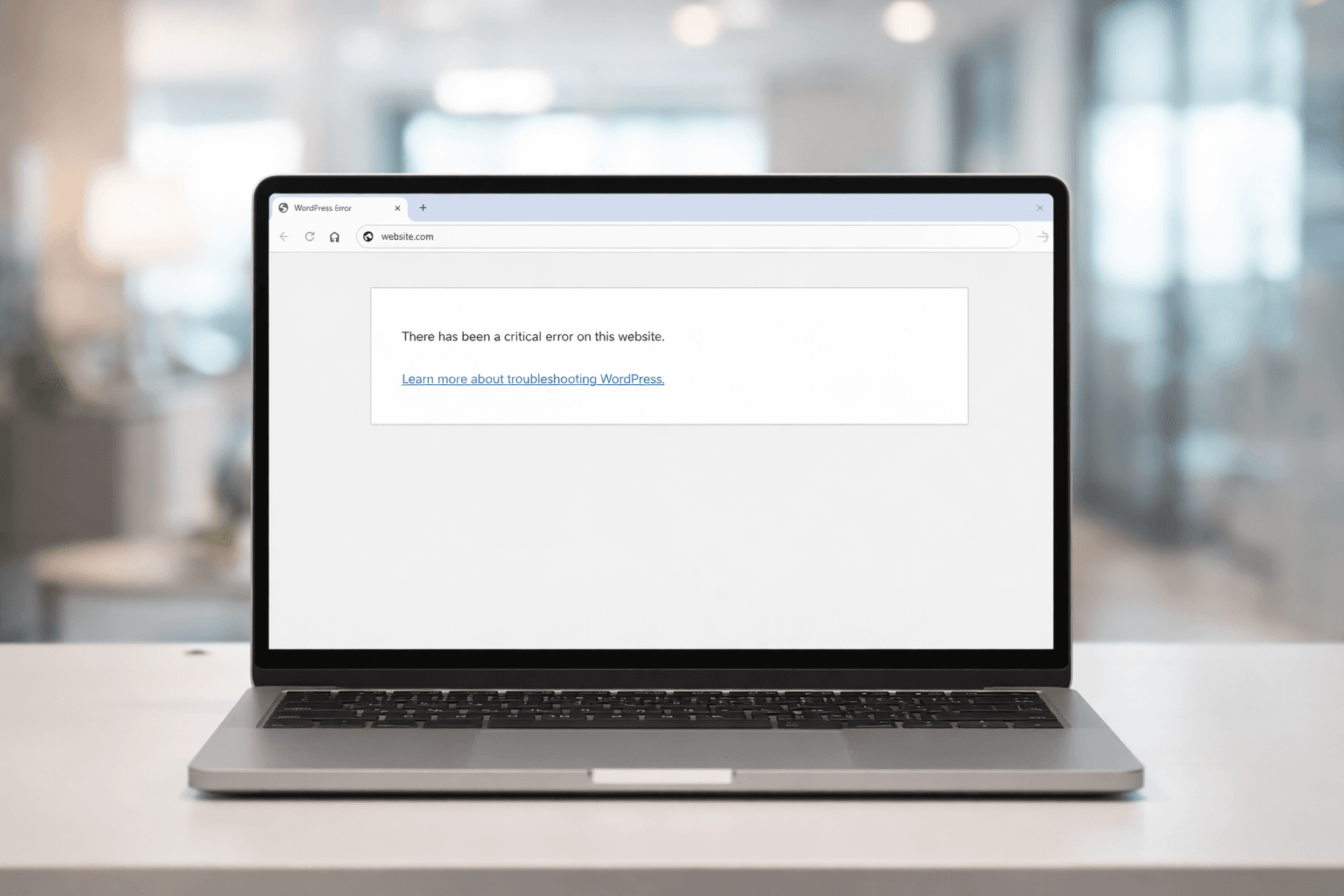
For many small business owners, WordPress issues appear to be random technical problems.
A site slows down. An update breaks something. Pages become difficult to edit. Google rankings drop without warning.
These issues are rarely isolated. They are usually symptoms of how the website was built. Well-built WordPress websites are stable, predictable, and easy to manage.
A WordPress website is not just a design. It is a system made up of themes, plugins, hosting, and ongoing maintenance. When that system is not structured correctly, problems tend to repeat.
| Issue | What It Usually Means |
|---|---|
| Slow website | Poor hosting, heavy theme, or plugin overload |
| Hard to update | Rigid theme or poor development structure |
| Breaks after updates | Conflicts between plugins or outdated setup |
| Looks good but no leads | No conversion strategy or user flow |
| Rankings dropped | Technical SEO or site health issues |
| Constant small problems | Lack of long-term maintenance strategy |
Why is my WordPress website so slow?
It usually means your site was built without performance in mind.
Speed issues are rarely caused by one thing. They are typically the result of multiple decisions made during development.
Common underlying causes include:
- Overloaded themes with unnecessary features
- Too many plugins running simultaneously
- Low-quality or shared hosting environments
- Unoptimized images and scripts
A slow website is not just a technical inconvenience. It directly affects user behavior, search visibility, and conversion rates.
If performance was not considered during the build, it becomes difficult to fix without reworking the structure.
Why is my website hard to update?
It usually means your site was not built for usability after launch.
Many WordPress websites look polished but are difficult to manage behind the scenes.
This often happens when:
- The theme controls too much of the layout
- Content is locked into rigid templates
- Customizations were done without long-term flexibility in mind
Instead of functioning as a tool, the website becomes something the business avoids using.
A properly built WordPress site should allow non-technical users to make routine updates without risk. When that is not the case, it reflects how the site was structured.
Why does my WordPress site break after updates?
It usually means your system lacks compatibility and maintenance planning.
WordPress relies on multiple components working together:
- Core software
- Theme
- Plugins
When one part updates and others do not, conflicts can occur.
Typical causes include:
- Outdated plugins or themes
- Poorly coded third-party tools
- No testing environment before updates
Frequent breakage is not normal. It indicates that the site was not set up with long-term stability in mind.
This is often tied to a lack of ongoing maintenance, not just the update itself.
Why does my website look fine but not generate leads?
It usually means the site was designed for appearance, not performance.
A visually appealing website does not guarantee results.
Many small business websites fail because they lack:
- Clear calls to action
- Logical user flow
- Messaging aligned with customer intent
Common signs include:
- Visitors browse but do not contact
- Forms are buried or unclear
- No clear next step for the user
This is a structural issue, not a design flaw.
A website should guide users toward action. If it does not, the problem is how the site functions, not how it looks.
For a deeper evaluation process, see 7 Questions to Ask Before Hiring a Web Designer.
Why did my website rankings drop suddenly?
It usually means there are underlying technical or content issues.
Search rankings do not drop without cause.
Common contributors include:
- Slow page speed
- Broken links or indexing issues
- Thin or outdated content
- Poor mobile performance
In some cases, updates to search algorithms expose weaknesses that were already present.
If rankings decline, the issue is often tied to overall site health rather than a single change.
This is where structured WordPress maintenance becomes critical.
When is it time to rebuild instead of fixing issues?
It is time to rebuild when problems are recurring and interconnected.
Fixing individual issues can work in the short term. However, repeated problems usually point to a deeper limitation.
Consider a rebuild when:
- Performance issues persist despite fixes
- Updates regularly cause new problems
- The site is difficult to manage internally
- Conversion rates remain low despite design changes
At a certain point, continuing to patch the system becomes less efficient than rebuilding it correctly.
A rebuild is not about starting over. It is about creating a stable foundation that eliminates recurring issues.
Conclusion
WordPress issues are rarely isolated—they are usually structural.
They are indicators of how the website was built, how it is maintained, and whether it was designed to function as a business tool.
When problems continue to surface, the focus should shift from fixing symptoms to evaluating the system as a whole.
A well-structured website should be stable, usable, and capable of supporting business growth without constant intervention.